

A time to decide
Operational Planning
Turn direction into workable plans.
Even a sound strategy can falter when people lack the time, resources, authority, or clarity to carry it forward. New priorities must find their place alongside the everyday work that keeps an organization running.

We help people translate direction into practical commitments, establish clear responsibilities, and develop ways of working that make progress possible and sustainable.
Our approach
We begin with the priorities that matter and the people who will carry them forward. We listen to those closest to the work, explore what is already happening, and consider what needs to begin, continue, change, or stop. Good operational planning makes room for reality, not just ambition.
We help people translate priorities into practical actions, timelines, resources, responsibilities, and ways to assess progress. We pay particular attention to the connections and dependencies among people and teams, and to ensuring that responsibility is accompanied by appropriate authority and support.
Sometimes the greatest challenge is not knowing what to do, but finding the capacity to do it well. Competing demands, unclear decisions, familiar habits, or unrealistic expectations may need attention. The answer is not always to ask people to work harder. Sometimes priorities must be reconsidered, work simplified, or organizational conditions changed.
A useful plan becomes part of everyday decisions and conversations. We help teams establish practical ways to review progress, address difficulties, learn from experience, and adjust their approach. The aim is not simply to keep people on schedule, but to help them do worthwhile work with greater clarity and shared responsibility.
What this can strengthen
- Clearer actions, responsibilities, timelines, and use of resources.
- Better understanding of what is feasible and what may need to change.
- Responsibility matched with appropriate authority, capacity, and support.
- Practical ways to follow progress, address difficulties, and make adjustments.
- Greater confidence and shared responsibility in carrying worthwhile work forward.
What the work may involve
Depending on your circumstances, we may help leaders and teams translate strategic priorities into action plans, clarify responsibilities and decision-making authority, identify dependencies, assess available resources, and establish meaningful measures of progress.
We work with people to develop practical tools and routines suited to their needs. These may include action plans, responsibility agreements, implementation schedules, progress reviews, and opportunities to reflect on what is working and what is not.
Sometimes the most useful contribution is helping people simplify an overcomplicated plan, resolve competing priorities, or acknowledge that the work requires more support than anticipated.
Our aim is to leave people with plans they understand, the means to carry them forward, and room to learn and adapt along the way.
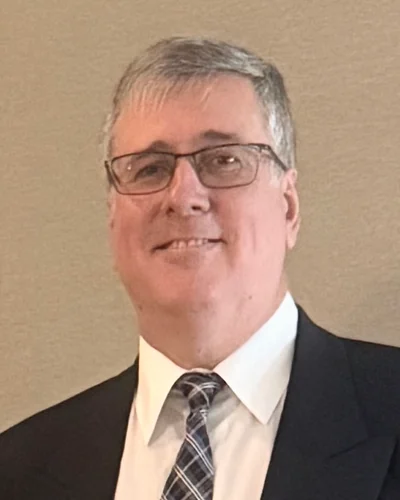
People behind this work




Questions (9)
How is Operational Planning different from Strategic Planning?
Strategic Planning helps people clarify purpose, choose direction, and establish priorities.
Operational Planning considers what those priorities require in practice: the work to be done, the people involved, the resources and authority needed, and the ways progress will be reviewed.
The two are closely connected. Operational experience may also reveal that a strategic assumption or priority needs reconsideration.
Do we need an existing strategic plan?
Not necessarily. We can begin with established priorities, a particular project, an organizational challenge, or a decision that needs to be carried into action.
Where direction is unclear or competing priorities remain unresolved, we may recommend clarifying those questions before developing detailed plans.
What will we have at the end?
Usually, a practical account of what needs to happen, who is responsible, what resources and authority are required, and how progress will be assessed.
This may include action plans, timelines, responsibility agreements, simple tracking tools, and arrangements for regular review. We aim to develop materials people can use, rather than documents that create unnecessary work.
How do you balance accountability with people’s capacity and well-being?
Accountability matters, and so do the conditions in which people are expected to deliver.
We help clarify responsibilities, decision-making authority, and expectations while paying attention to available time, resources, competing demands, and the people affected by the work.
Sometimes an honest assessment reveals that the plan itself needs to change. We would rather help people recognize that early than leave them responsible for commitments they cannot reasonably fulfil.
What happens when implementation is not going according to plan?
We encourage timely conversations about what is happening, what has changed, and what people are learning.
Sometimes a change in timing, responsibilities, or resources is sufficient. Sometimes the difficulty reveals an assumption, relationship, or organizational practice that deserves closer attention.
A useful operational plan helps people recognize these signals and respond thoughtfully rather than simply report that they are behind schedule.
Can you support us as we put the plan into practice?
Yes. Depending on your needs, we can remain involved through progress reviews, facilitated conversations, coaching, and adjustments to the plan.
The day-to-day decisions and responsibilities remain with your people, while we offer perspective, encouragement, and honest challenge along the way.
Can you work with us in person or virtually?
Yes. We work in person and virtually, through live planning sessions and conversations, as well as reflection, review, and other activities between meetings.
We agree on a format that serves the people involved and the work to be accomplished.
How long does the work take, and what does it cost?
That depends on the scope of the work, the people involved, the clarity of existing priorities, and the level of planning support required.
After an initial conversation, we can propose an approach, timeline, and fee for consideration.
What resources do you recommend for learning more about Operational Planning?
- Babcock, L., Peyser, B., Vesterlund, L., & Weingart, L. R. (2022). The no club: Putting a stop to women’s dead-end work. Simon & Schuster.
- Gawande, A. (2009). The checklist manifesto: How to get things right. Metropolitan Books.
- Goldratt, E. M., & Cox, J. (2014). The goal: A process of ongoing improvement (4th rev. ed.). North River Press.
- McChesney, C., Covey, S., Huling, J., Thele, S., & Walker, B. (2021). The 4 disciplines of execution: Achieving your wildly important goals (Rev. & updated 2nd ed.). Simon & Schuster.
- Moss, J. (2021). The burnout epidemic: The rise of chronic stress and how we can fix it. Harvard Business Review Press.
- Project Management Institute. (2025). A guide to the project management body of knowledge (PMBOK® guide) and the standard for project management (8th ed.).
- Schwaber, K., & Sutherland, J. (2020). The Scrum guide: The definitive guide to Scrum: The rules of the game. Scrum Guides. https://scrumguides.org/docs/scrumguide/v2020/2020-Scrum-Guide-US.pdf
- Sutton, R. I., & Rao, H. (2024). The friction project: How smart leaders make the right things easier and the wrong things harder. St. Martin’s Press.
Pay It Forward
We stand on the shoulders of giants.
Whenever possible, we offer discounted rates to under-resourced organizations.
We are grateful to servant leaders who have guided us through our own seasons of change.
In their spirit, we strive to make our services more accessible by offering discounted rates to under-resourced organizations whenever possible. We especially hope to support organizations serving 2SLGBTQI+ people, people with developmental disabilities or mental health needs, migrant workers, refugees, and youth, as well as Indigenous-led organizations and those serving Indigenous communities.
If you are an individual facing financial barriers that have kept you from accessing coaching, mentoring, or learning opportunities, we would be happy to discuss options.
Please reach out to explore how we might serve alongside you or your team.
Curious about your next steps?
Start a conversation.
Tell us what you’re facing. We’ll listen, explore what matters, and consider together whether there’s a useful way for us to help.
A first, 30-minute conversation is free of charge.