
A time to work together
Organizational Culture
The way we work together shapes what becomes possible.
Every organization has a culture, whether or not it has tried to create one. It takes shape in everyday life: whose voices are heard, how decisions are made, what happens when someone makes a mistake, and how people treat one another under pressure.

Some patterns nurture trust, belonging, and the pleasure of worthwhile work. Others silence concerns, strain relationships, or wear people down. The same organization can hold both.
Our approach
We help people see their culture more clearly: strengths worth protecting, assumptions that go unexamined, tensions people have learned to live with, and possibilities yet to be explored. We listen across roles and teams, recognizing that the same organization can feel very different depending on where people work and the responsibilities they carry.
We pay attention to the connections between vision, strategy, leadership, and culture. When these work at cross-purposes, people feel the strain. Sometimes the problem is not a lack of commitment or competence, but expectations, structures, or familiar ways of working that need to change.
Some challenges have relatively clear solutions. Others are tangled in relationships, history, and uncertainty. We help people make sense of what they are facing, acknowledge difficult truths with care, and try practical changes while learning from what happens.
Culture cannot be changed by declaration or a single event. It takes shape as people exercise responsibility, share authority, address difficulties honestly, and practise different ways of working. What matters is not simply the culture an organization says it values, but the culture its people actually experience.
What this can strengthen
- A clearer understanding of the organization’s strengths, habits, and unspoken expectations.
- Conditions that encourage trust, honest feedback, learning, and responsible decision-making.
- Stronger connections between vision, strategy, leadership, and everyday practices.
- People’s capacity to shape a workplace where meaningful work and human dignity belong together.
What the work may involve
We begin by listening to people and understanding their circumstances, taking care to respect the different positions, responsibilities, and risks they bring to the conversation.
Depending on the situation, we may explore how decisions are made, examine recurring patterns, invite perspectives that have gone unheard, or facilitate conversations that have been avoided.
We may also help people reconsider established practices, experiment with new approaches, and develop everyday habits that better reflect their values and purpose.
Sometimes a focused effort can open new possibilities. Sometimes the work requires sustained attention across an organization. We discover what is needed together.
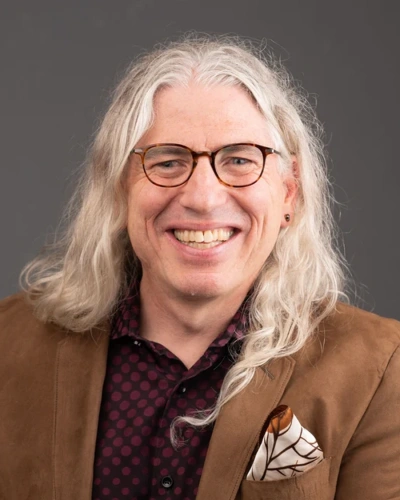
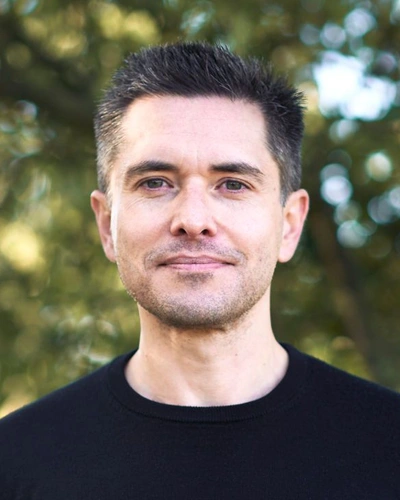
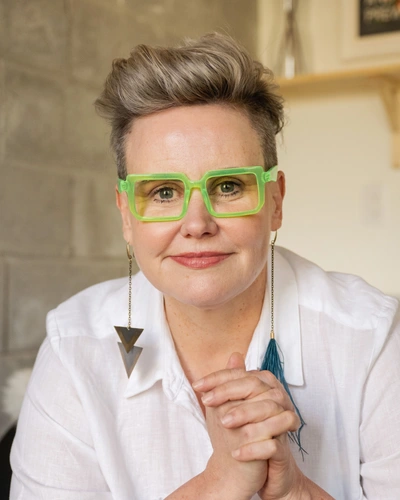
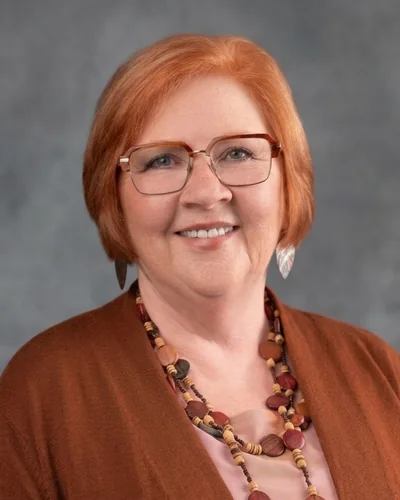
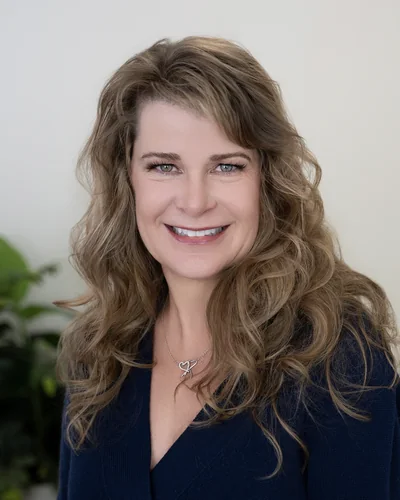
People behind this work



Questions (6)
How is this different from Team Development?
Team Development focuses primarily on how a particular group works together: its relationships, habits, strengths, and shared responsibilities.
Organizational Culture takes a wider view of the expectations, structures, decisions, and relationships that shape life across an organization. The two are closely connected, and work with a team may reveal concerns that need attention elsewhere.
Can leaders change an organization’s culture?
Leaders can influence culture through their decisions, actions, and the conditions they create. They can begin by examining their own behaviour, sharing responsibility and appropriate authority, and paying attention to what their decisions encourage or discourage.
Culture is also shaped by the experiences and choices of many people over time. No leader can simply declare a new culture into existence.
Is this mainly about helping employees change their behaviour?
Not necessarily. Sometimes people benefit from new skills, better information, or opportunities to learn together.
At other times, organizational expectations, structures, or established practices are getting in the way. We pay attention to both people’s development and the conditions in which they work.
What if our culture includes serious conflict or mistrust?
We do not assume that a workshop, retreat, or new set of values will resolve these difficulties.
We help people understand what has contributed to the situation and consider what requires honest attention. Where people have experienced harm, their concerns deserve to be taken seriously. Meaningful progress may require changes in leadership practices, organizational structures, and accountability, not simply better conversations.
How does this relate to strategy?
Vision and strategy express what an organization hopes to accomplish and how it intends to proceed. Culture shapes what people experience, expect, and do in everyday work.
We help people recognize the connections between them, including times when organizational practices undermine a worthwhile strategy or reveal that the strategy itself deserves reconsideration.
How long does the work take, and what does it cost?
That depends on the people involved, their circumstances, and the scope of the work. After an initial conversation, we can propose an approach, timeline, and fee for consideration.
Pay It Forward
We stand on the shoulders of giants.
Whenever possible, we offer discounted rates to under-resourced organizations.
We are grateful to servant leaders who have guided us through our own seasons of change.
In their spirit, we strive to make our services more accessible by offering discounted rates to under-resourced organizations whenever possible. We especially hope to support organizations serving 2SLGBTQI+ people, people with developmental disabilities or mental health needs, migrant workers, refugees, and youth, as well as Indigenous-led organizations and those serving Indigenous communities.
If you are an individual facing financial barriers that have kept you from accessing coaching, mentoring, or learning opportunities, we would be happy to discuss options.
Please reach out to explore how we might serve alongside you or your team.
Curious about your next steps?
Start a conversation.
Tell us what is happening in your organization. We’ll explore together whether we can help your people see their culture more clearly and shape what comes next.