
A time to grow
Training
Experiential learning for sharper perspective.
Adults bring experience, judgement, and questions of their own to every learning opportunity. We begin there.
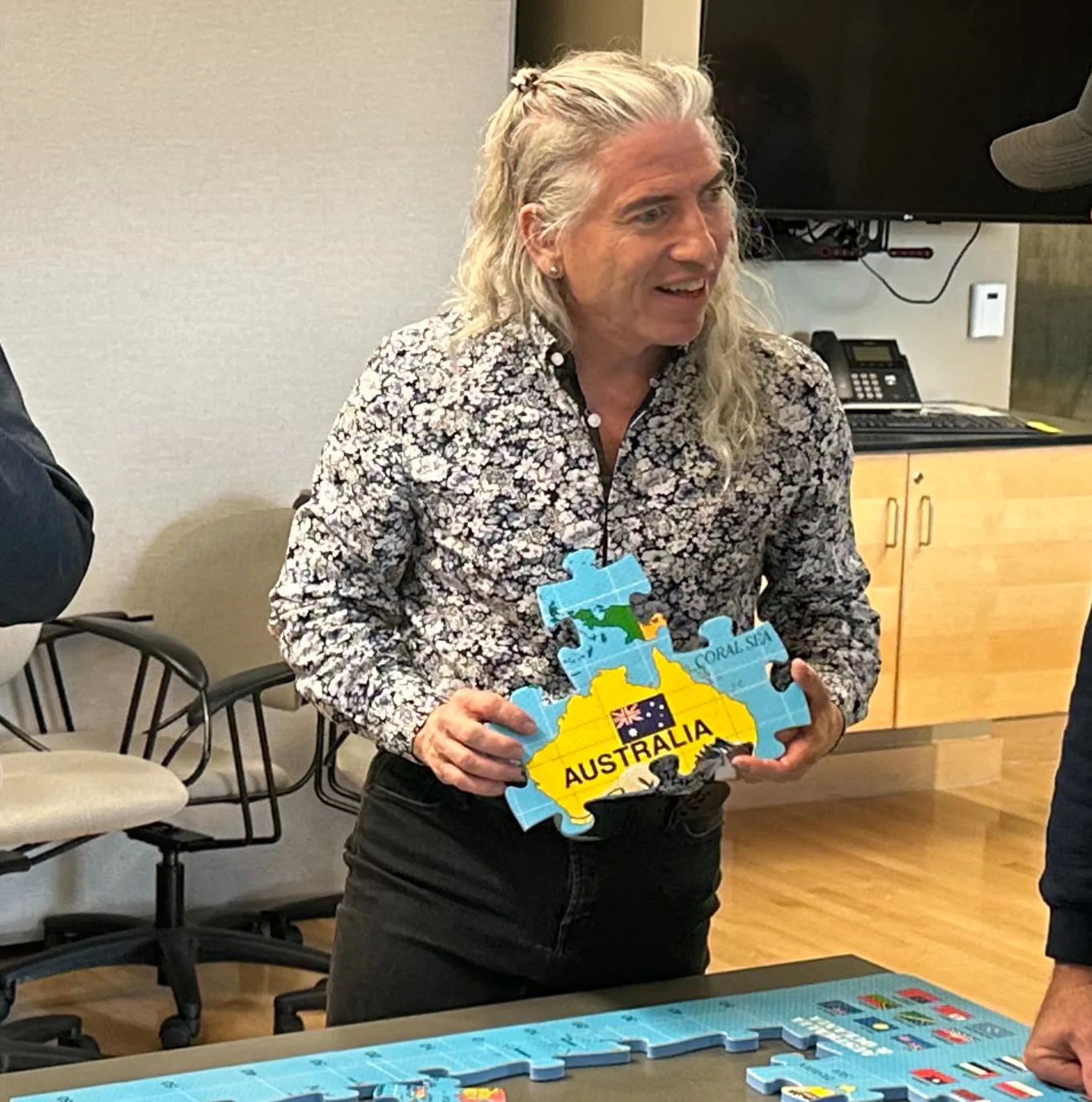
We design learning experiences that invite people to challenge familiar assumptions, discover new possibilities, develop practical skills, and learn from one another. What matters is not simply what happens during a course, but what people carry into everyday life.
Our approach
Good training begins well before people enter the room. We start by listening to the people involved, exploring what they need to learn, and considering whether training is the right response. Sometimes the greater need is for clearer expectations, better support, or changes in the conditions in which people work.
When training is appropriate, we clarify what participants hope to learn and what they need to be able to do. Drawing on experiential adult education, we design opportunities to experience, reflect, make sense of what emerges, and apply new understanding. Real situations, challenging questions, case studies, and practical activities invite participants to learn in different ways and develop capabilities they can use beyond the classroom.
We take curiosity and play seriously. Sometimes a surprising experience, an honest question, or a little humour helps people notice something they have overlooked. We bring research, experience, and ideas from many disciplines while respecting the wisdom already present in the room. Participants are invited to explore different perspectives, question assumptions, and draw conclusions of their own. We learn from them, too.
We consider from the outset how learning will be evaluated and carried into everyday life. What have people discovered? What can they now do? What will help them put their learning into practice? Sometimes coaching or other support will be useful. Sometimes organizational practices or expectations need to change.
What this can strengthen
- New knowledge, practical skills, and confidence to apply them.
- Greater self-awareness and appreciation of different perspectives.
- Shared language for communicating, working through challenges, and making decisions.
- The ability to learn from experience, feedback, and one another.
- Practical habits and opportunities for continuing growth.
What the work may involve
We design learning experiences around your people, circumstances, and what they hope to accomplish. Our work may include needs assessment, learning objectives, customized programme design, workshops, courses, case studies, experiential activities, and facilitated conversations.
Depending on the engagement, participants may undertake practical assignments, share experiences in learning groups, practise new skills, and reflect on what they discover between sessions. We can also provide evaluation, coaching, and follow-up support to help people apply what they have learned.
Some programmes are brief and focused. Others unfold over several sessions, allowing time to practise, reflect, receive feedback, and try again.
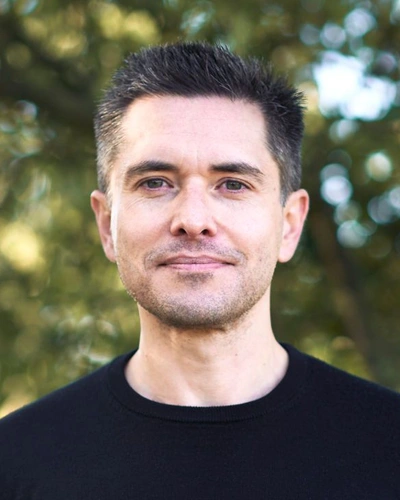
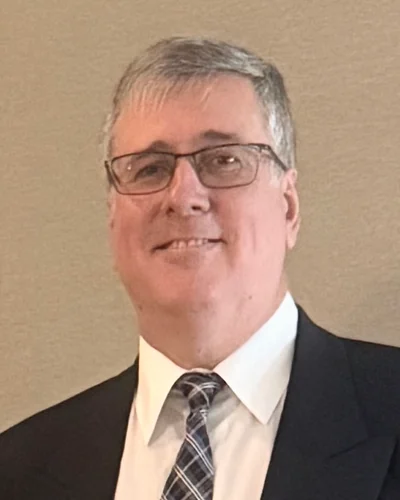
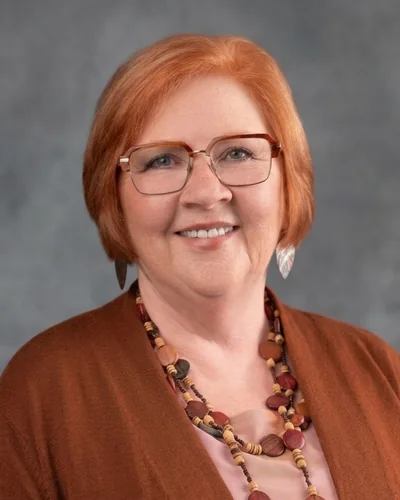
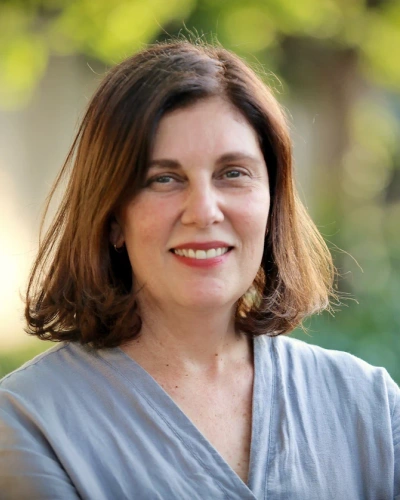
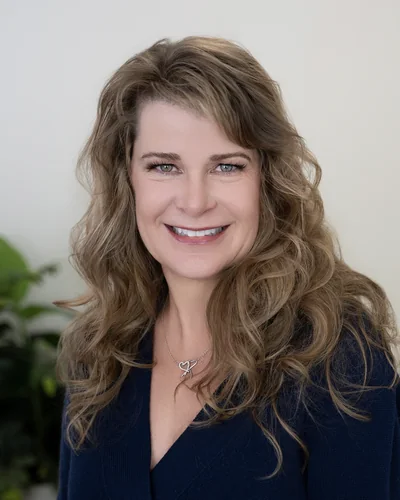
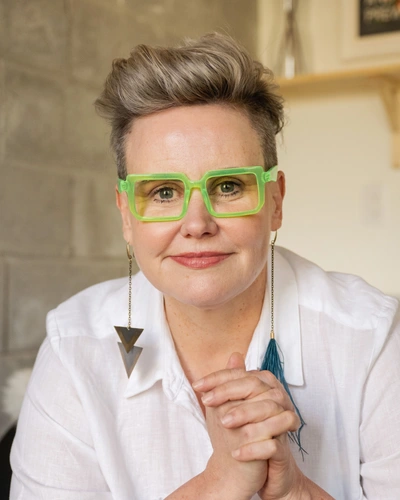
People behind this work




Questions (9)
What makes your approach to training different?
We begin with the people involved, their experience, and the circumstances in which they work.
We combine thoughtful educational design with useful ideas, active learning, reflection, conversation, and opportunities to practise. Participants are invited to make discoveries of their own rather than simply receive information.
We also consider how the learning will be applied and what support may be needed afterwards.
How do you determine whether training is the right response?
We begin by exploring what is happening, what people already know, and what they need to be able to do.
Sometimes training will help. At other times, the underlying challenge involves unclear responsibilities, insufficient authority, competing expectations, or organizational practices that need attention.
We would rather help identify the real need than deliver a course that is unlikely to address it.
Do we need to engage you for the entire training process?
No. We can help with a particular need, such as designing a workshop, facilitating an existing programme, or evaluating learning.
We also offer comprehensive training engagements that begin with assessing needs and continue through learning objectives, customized design, facilitation, evaluation, and support for applying what participants have learned.
We help you determine which elements will best serve your people and circumstances.
Can training be customized?
Yes. We design learning experiences around your people, purposes, and circumstances. We consider their existing knowledge and experience, what they hope to learn, and how the learning might be used.
What topics do you cover?
Leadership, coaching and mentoring skills, communication, conflict, organizational change, teamwork, and working across generations, among others.
We can also develop learning experiences around particular organizational needs, drawing on the experience and expertise of our team.
How do you know whether training has made a difference?
We consider evaluation when designing the learning experience, not just when it ends.
Depending on the engagement, we may examine participants’ experiences, what they have learned, how they apply it, and what difference it makes in their work.
We also pay attention to the conditions that support or prevent people from using what they have learned. A successful workshop is not necessarily the same as lasting learning.
Do participants need previous experience?
That depends on the subject. We work with people at different stages of learning and professional development.
We aim to make learning accessible while offering sufficient depth and challenge for those involved.
Do you offer in-person, virtual, and asynchronous learning?
Yes. We work in person and virtually, through live sessions, independent learning activities, reflection, and practice between meetings.
We recommend an approach that serves the learning goals and the circumstances of participants.
How long does training take, and what does it cost?
An engagement may involve a focused workshop, a course, or a series of learning experiences over time.
After an initial conversation, we can propose a suitable design, timeline, and fee for consideration.
Pay It Forward
We stand on the shoulders of giants.
Whenever possible, we offer discounted rates to under-resourced organizations.
We are grateful to servant leaders who have guided us through our own seasons of change.
In their spirit, we strive to make our services more accessible by offering discounted rates to under-resourced organizations whenever possible. We especially hope to support organizations serving 2SLGBTQI+ people, people with developmental disabilities or mental health needs, migrant workers, refugees, and youth, as well as Indigenous-led organizations and those serving Indigenous communities.
If you are an individual facing financial barriers that have kept you from accessing coaching, mentoring, or learning opportunities, we would be happy to discuss options.
Please reach out to explore how we might serve alongside you or your team.
Curious about your next steps?
Start a conversation.
Tell us what you’re facing. We’ll listen, explore what matters, and consider together whether there’s a useful way for us to help.
A first, 30-minute conversation is free of charge.